What to expect, week by week
If your child was diagnosed recently, the acronyms alone can feel like a second language. Here is what the process actually looks like, step by step.
The first call
You talk to a real person about your child, in plain English. If you want a clinician's perspective before deciding anything, book a free consultation with a BCBA; parents of newly diagnosed kids tell us this conversation is where the fog starts to lift. It costs nothing and commits you to nothing.
Verification of benefits
Before we schedule anything, we contact your insurance company and confirm what your plan covers for ABA. We are in-network with Aetna and Anthem, including Anthem HealthKeepers Plus, Virginia's Medicaid managed care plan, and TRICARE-certified for military families. Almost every other plan is out of network, and we tell you exactly where you stand before therapy starts.
The in-home assessment
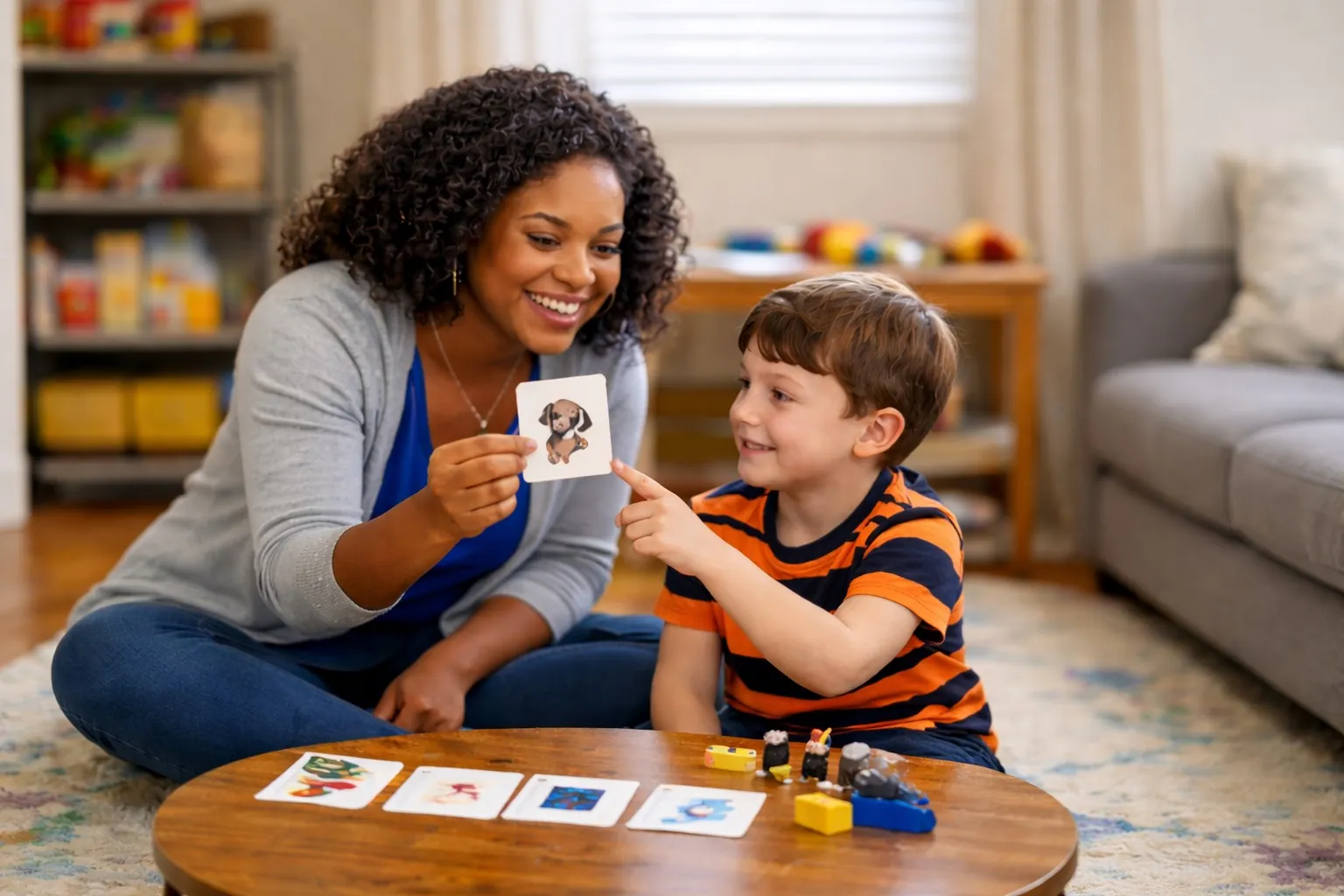
A BCBA who works with young children comes to your home. For a toddler or preschooler this looks a lot like playing: the BCBA gets on the floor, follows your child's interests, and watches how they communicate, imitate, and handle small frustrations. They also talk with you at length, because nobody knows your child better than you do.
The treatment plan
The BCBA writes a plan with specific goals matched to your child's developmental level, then submits it to your insurer for authorization. We advocate for the maximum services your child qualifies for. Recommended hours vary child to child, and we would rather assess first than promise first.
The first weeks of therapy
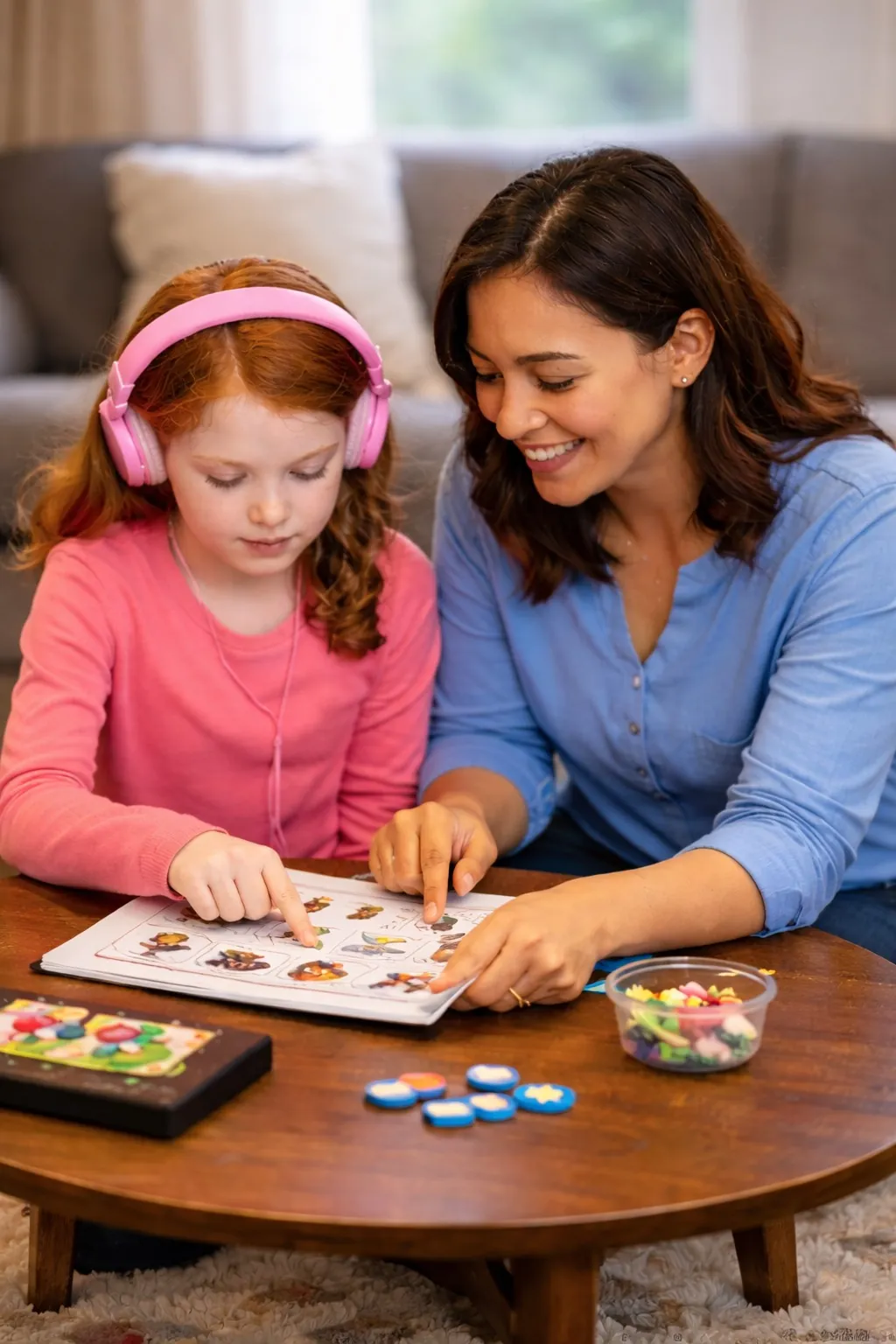
Early sessions are about one thing: your child deciding the technician is fun. Expect bubbles, tickle games, favorite toys, and very few demands at first. That warm-up, called pairing, is not wasted time; it is the foundation every later goal stands on. Teaching builds gradually from there.
Ongoing BCBA oversight
The BCBA stays closely involved: reviewing data, observing sessions, coaching the technician, and meeting with you about progress. Because young children change fast, goals are retired and replaced as your child grows, and the full plan is reassessed for each insurance reauthorization, typically every six months.
What early support can look like at different ages
Every child starts from their own baseline, so treat this as examples of the kinds of goals a BCBA might write, not a checklist your child should match.
| Ages 2-3 (examples) | Ages 4-6 (examples) |
|---|
| What sessions look like | Floor play, songs, bubbles, short activities that follow the child's lead | Play plus short table activities, games with simple rules, practice runs at routines |
| Communication | First requests with a word, sign, or picture; responding to their name | Short sentences, answering questions, back-and-forth exchanges |
| Daily routines | Tolerating diaper changes, tooth brushing, or getting in the car seat | Dressing with less help, early toileting steps, trying new foods |
| Social and play | Sharing attention with a parent over a toy; simple imitation | Turn-taking, pretend play, playing near and then with other kids |
| Parent's role | Side by side with the technician for much of the session | Learning strategies to use at bedtime, mealtime, and outings |
| School connection | Usually none yet; building the base | Kindergarten readiness: sitting for an activity, following group directions, transitions |
Goals we actually work on with young kids
Here are real examples of goals we write for this age group. Your child's list will come from their own assessment.
- Communication: using a word, sign, or picture to ask for a snack or a toy; responding to their name; combining two words; protesting with words instead of screams.
- Daily living: staying calm through hair washing; sitting through a meal; steps toward toileting; falling asleep with a consistent routine.
- Learning readiness: following one-step, then two-step directions; staying with an adult-chosen activity a little longer each week; handling "no" or "not yet" without a meltdown.
- Social and play: imitating actions and sounds; taking turns; greeting familiar people; moving from playing next to other children toward playing with them.
Who this program fits, and who it doesn't
This service is built for children roughly ages 2 to 6 with an autism diagnosis, or families in the middle of getting one. ABA is not a replacement for speech or occupational therapy; many of our kids do both, and we coordinate with those providers rather than compete with them. If your only concern is how your child pronounces sounds, a speech-language pathologist is probably the better first call, and we will tell you that. If most of your worries happen at preschool or daycare, our in-school ABA support covers that setting. And insurance coverage for ABA requires an autism diagnosis, so if you do not have one yet, that is the first step, and we can point you to options.
Our clinicians work with young children in homes across Virginia, including Loudoun County, Henrico County, and Chesapeake. We are in-network with Anthem HealthKeepers Plus, Virginia's Medicaid managed care plan.

 🧸 Play-Based